Guide
How to Choose a Tax Preparer: 8 Checks
Updated Based on official IRS guidanceEditorial policy
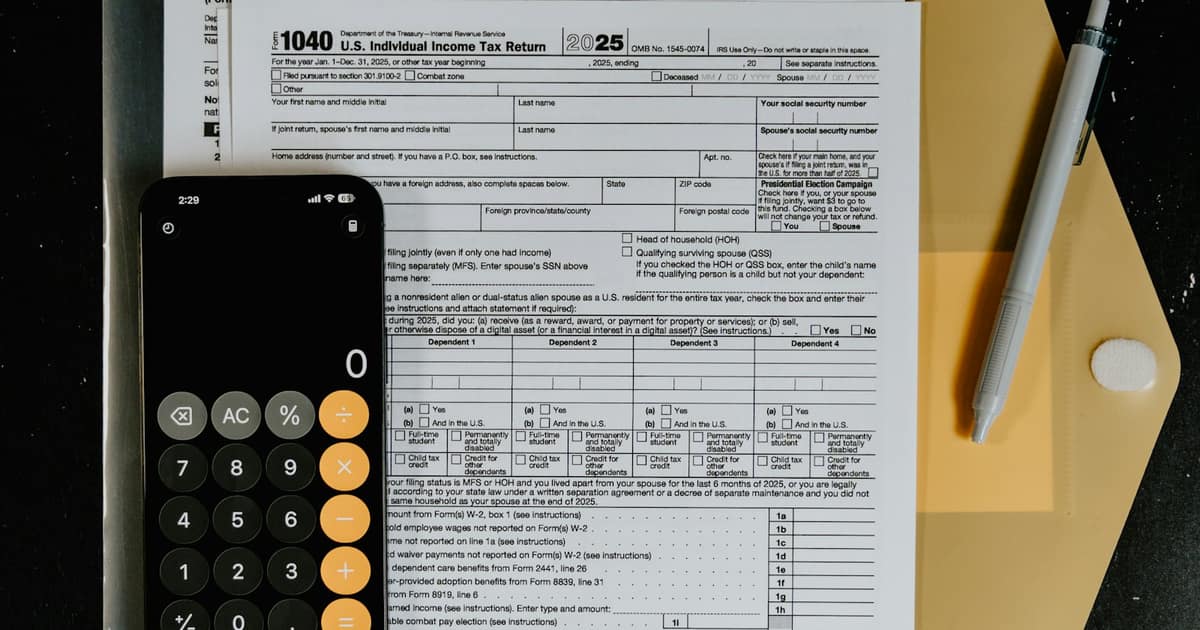
Check that the preparer has an IRS PTIN and, ideally, a credential (enrolled agent, CPA or attorney). Look up their history, avoid fees based on your refund, review the return before you sign, and make sure the refund goes to your own account. A preparer who won't sign the return is a red flag.
You stay responsible for everything on your return, even when someone else prepares it. That makes the preparer you pick one of the most important tax decisions you make all year. These checks follow the IRS's own guidance.
1. Make sure they have a PTIN
By law, anyone paid to prepare or help prepare a federal return must have a valid Preparer Tax Identification Number (PTIN), and must sign the return and include that number. A PTIN is the only requirement. No exam or license is needed to prepare returns for pay, so a PTIN alone tells you little about skill.
2. Check their credentials
Credentials matter most if the IRS questions your return later, because they decide who can speak for you:
- Enrolled agents, CPAs and tax attorneys can represent any client before the IRS in any situation, including audits, collections and appeals.
- Annual Filing Season Program participants can represent you only on returns they prepared and signed, and only before certain IRS staff. They can't handle appeals or collections.
- PTIN-only preparers can't represent you at all.
The IRS Directory of Federal Tax Return Preparers lists the name, city, state, ZIP code and credentials of credentialed preparers and Annual Filing Season Program participants. Preparers with only a PTIN aren't listed. The IRS says they may still do good work, but advises you to ask about their education and training. Not sure which credential you need? Read CPA vs enrolled agent.
3. Look up their history
Check the Better Business Bureau for complaints and disciplinary actions. Then check the license itself: a CPA with the state board of accountancy, an attorney with the state bar, and an enrolled agent through the IRS's enrolled agent verification or the directory above.
4. Ask how the fee is set
Avoid preparers who base their fee on a percentage of your refund, and be wary of anyone who promises a bigger refund than other preparers can get. Get the price, or how it's worked out, before any work starts.
5. Make sure they'll be around after April
The IRS suggests a preparer who's available year-round. If a letter arrives in August about your return, you want the person who prepared it to still be reachable.
6. Ask if they e-file
Use an authorized IRS e-file provider. E-filing with direct deposit is generally the fastest way to get a refund.
7. Bring your real records
A good preparer asks for your records and receipts. Don't use one who offers to e-file from your final pay stub instead of your Form W-2: the IRS says that's against its e-file rules.
8. Review the return before you sign it
- Never sign a blank or incomplete return.
- Read the return and ask about anything you don't understand before you sign.
- Check the routing and account numbers. Your refund should go directly to you, never into the preparer's account.
- Make sure the preparer signs the return and enters their PTIN.
Red flags
Walk away if a preparer:
- Won't sign the return. The IRS calls this a red flag. “Ghost preparers” do the work, then have you sign and mail the return yourself, or refuse to sign it digitally as the paid preparer.
- Charges a percentage of your refund, or promises a large refund before seeing your records.
- Wants your refund deposited into their own account.
- Asks you to sign a blank form, or files from a pay stub instead of a W-2.
What if something goes wrong?
You can report a preparer to the IRS on Form 14157, Complaint: Tax Return Preparer. If a preparer filed or changed your return without your consent, also file Form 14157-A, Tax Return Preparer Fraud or Misconduct Affidavit.
Ready to look? Our tax preparer directory lists preparers by city, and each credential we show links to the record we checked.
Related
Frequently asked questions
Does a tax preparer need a license?
No. Anyone with an IRS Preparer Tax Identification Number (PTIN) can prepare federal returns for pay. Enrolled agents, CPAs and attorneys hold credentials on top of that, which let them represent you before the IRS.
How do I check a tax preparer's credentials?
Search the IRS Directory of Federal Tax Return Preparers for enrolled agents, CPAs, attorneys and Annual Filing Season Program participants. Check a CPA with the state board of accountancy and an attorney with the state bar.
Is it a red flag if a preparer won't sign my return?
Yes. Paid preparers must sign the return and include their PTIN. The IRS calls a preparer who won't sign a red flag, and warns about "ghost preparers" who have you sign and send the return yourself.
Should my refund go to the tax preparer?
No. Your refund should go directly to you. Avoid any preparer who offers to deposit all or part of it into their own account.
How do I report a bad tax preparer?
Use IRS Form 14157, Complaint: Tax Return Preparer. If the preparer filed or changed your return without your consent, also file Form 14157-A.
More guides
Sources
- IRS news release IR-2024-31 — Take care when choosing a tax return professional
- IRS — Understanding tax return preparer credentials and qualifications
- IRS — Choosing a tax professional
- IRS — Annual Filing Season Program
- IRS — Directory of Federal Tax Return Preparers with Credentials and Select Qualifications
- IRS Form 14157 — Complaint: Tax Return Preparer
- IRS Form 14157-A — Tax Return Preparer Fraud or Misconduct Affidavit